


HOW TO PICK A T-SHIRT
There’s a massive amount of blank shirts to choose as your base for screen-printing. Blank clothing distributors offer a huge variety of items, but there’s no standardized comparison between items.
We took the time to compare manufacture size charts, fabric weights, and shoot photos on our very own crew to help you pick the t-shirt that will represent your brand.
Our Distributors



T-Shirt Features
If you’re trying to decide how a t-shirt fits and feels on body, there are a handful of key characteristics that make a big difference. Here are the big ones -
-
Slim → Modern → Regular/Classic → Relaxed → Oversized
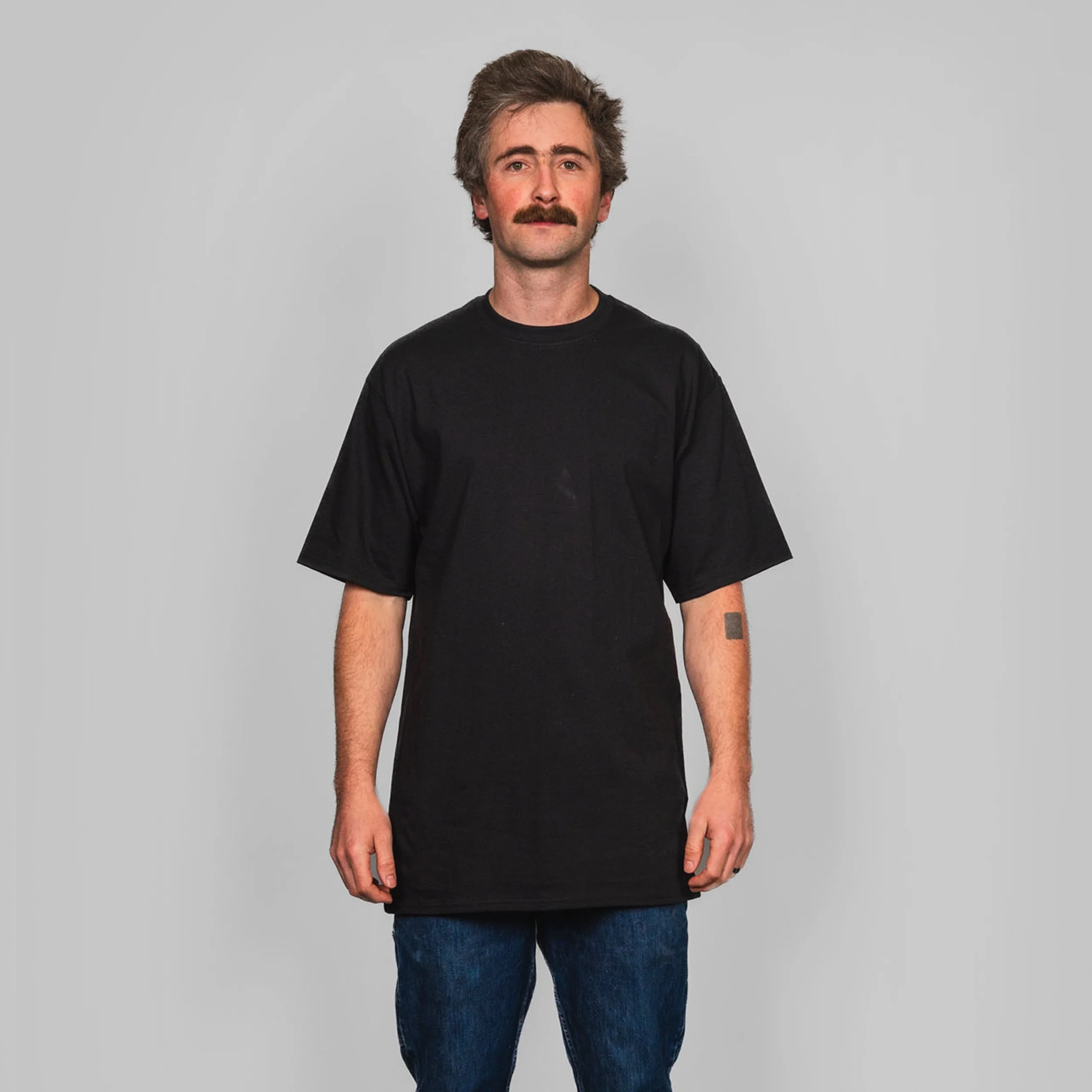
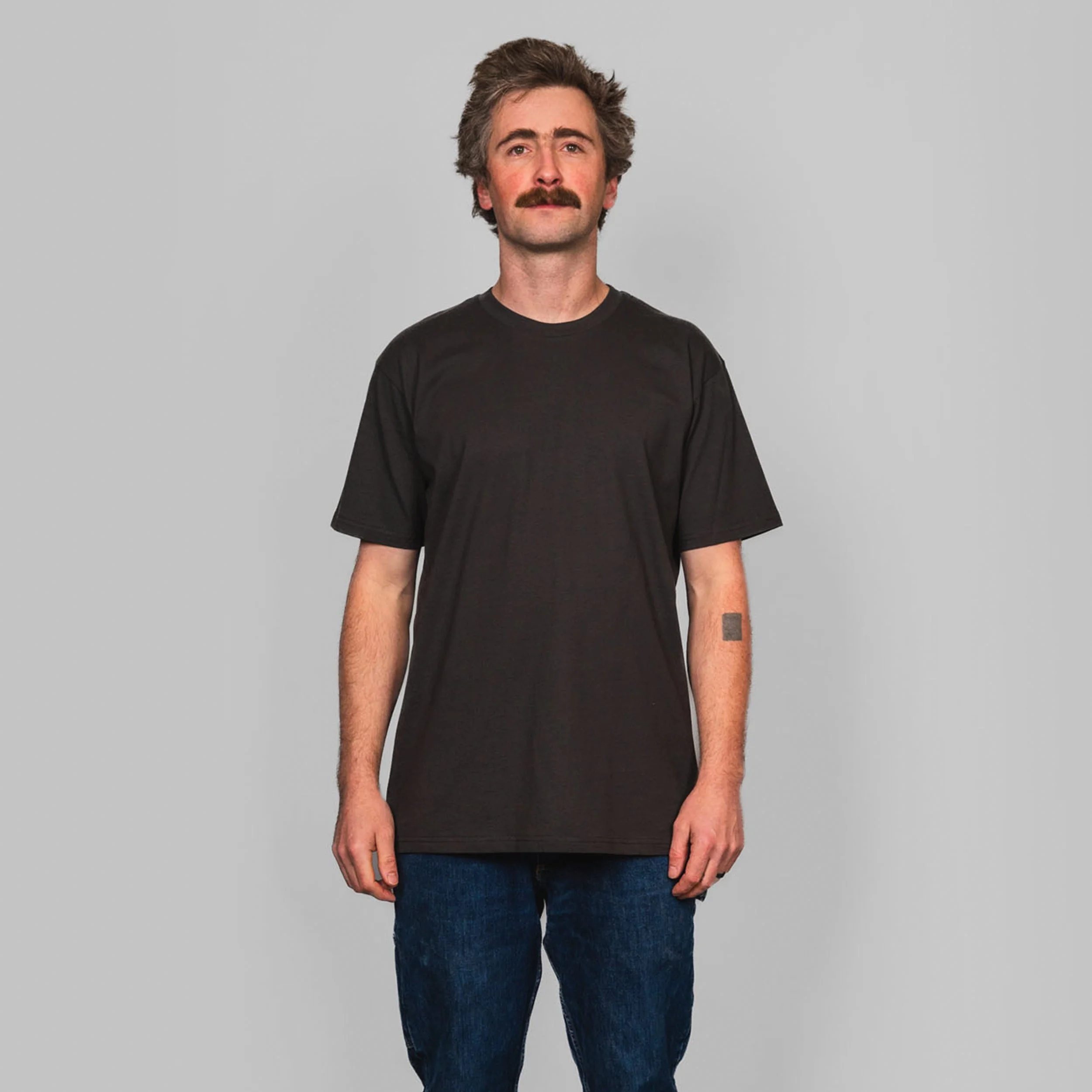
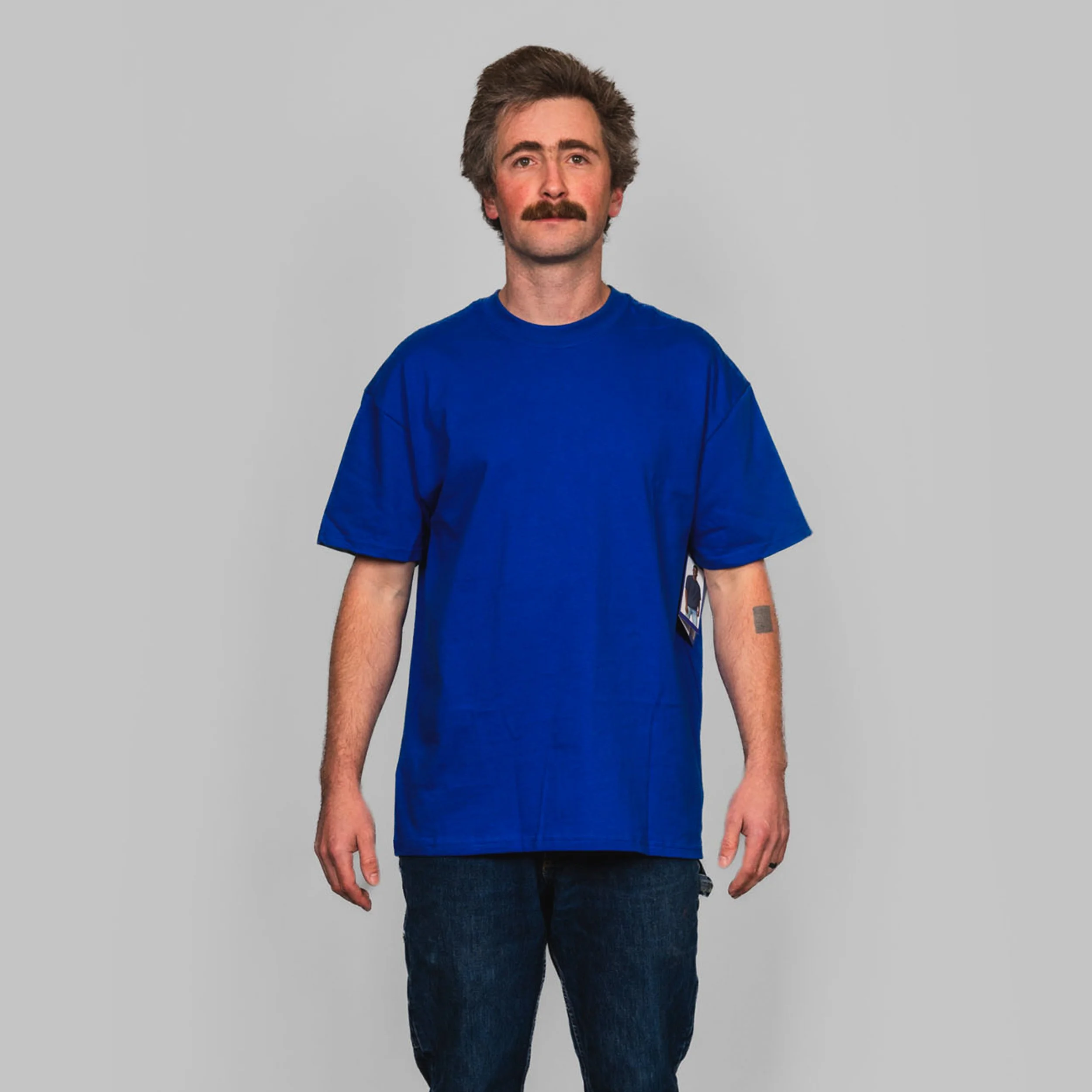
Width is the primary driver of how a t-shirt fits across the body, determining whether it feels tailored or loose. Slim and Modern fits have narrower widths that sit closer to the chest and shoulders, while Regular/Classic offers a balanced, straight cut that neither hugs nor hangs. Relaxed and Oversized fits increase width progressively, creating more drape, movement, and a boxier silhouette with extra room throughout.
-
Lightweight → Midweight → Heavyweight
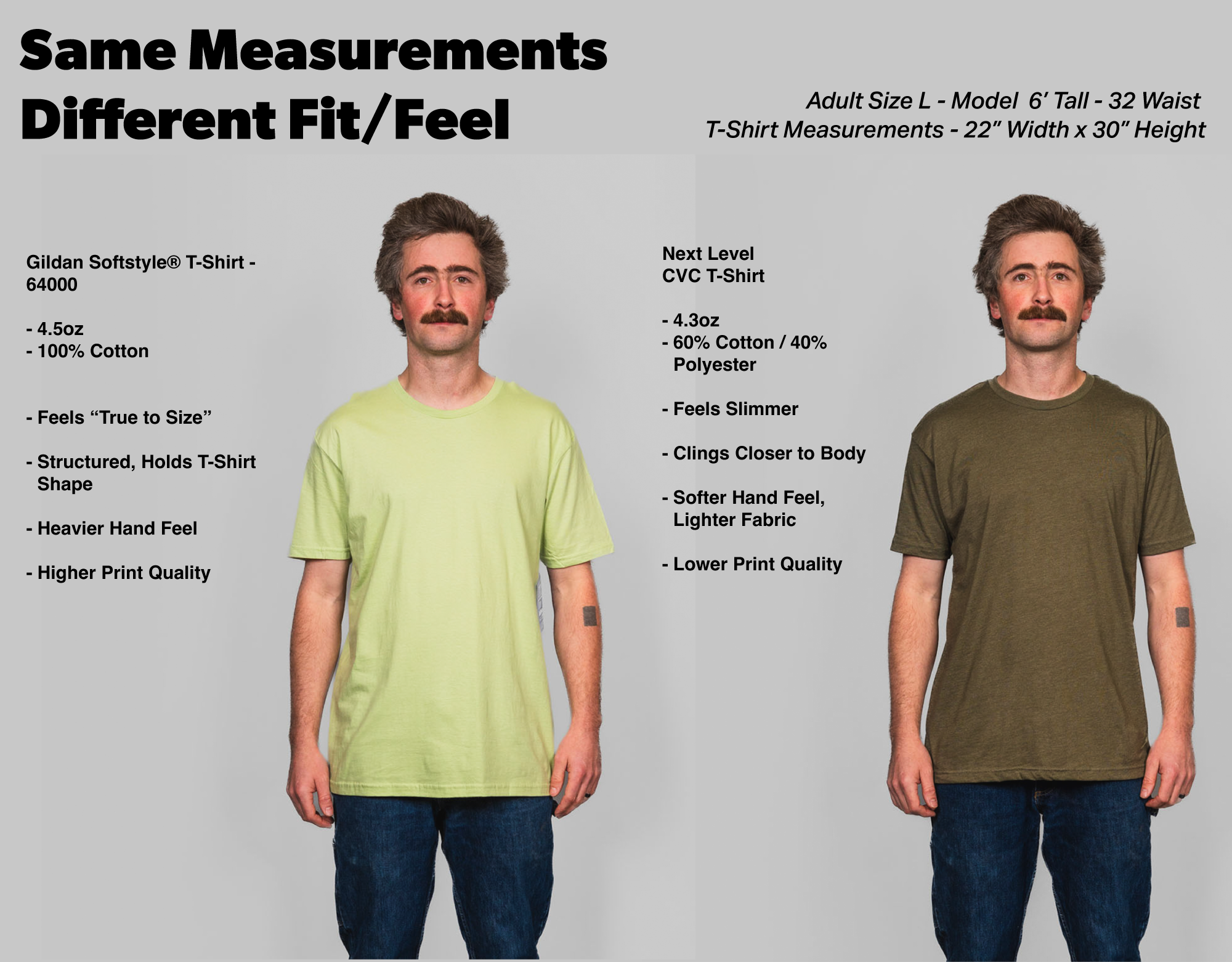
Fabric weight plays a major role in how a t-shirt actually sits and moves on the body, even when the measurements are identical. Even thought two shirts can have the exact same size chart…
Lightweight fabric will drape and cling more for a softer, slimmer feel
Heavier fabric holds structure and creates a boxier, more substantial fit.
As weight increases, the shirt feels less fluid and more rigid, subtly changing the perceived fit from fitted to relaxed without altering the actual dimensions.
-
Cotton vs Blend vs Synthetic
Fabric type has a big impact on how a t-shirt feels, wears, and ultimately fits on the body.
Natural fibers like cotton tend to feel slightly heavier, softer, and more breathable with a more structured drape.
Synthetic fabrics like polyester are typically lighter, smoother, and add stretch with a more fluid, athletic feel.
“Clinginess” - Lighter synthetics tend to cling and follow contours more closely, while heavier cottons hang away from the body, creating a fuller, more relaxed appearance. Even though measurement may be similar, lighter fabrics may appear slimmer because they have less structure.
-
Dropped Shoulders, Tubular, Tapered vs Straight, etc.
Construction features shape how a shirt appears, not just how it measures—here’s how they break down:
Features that create a wider / boxier look
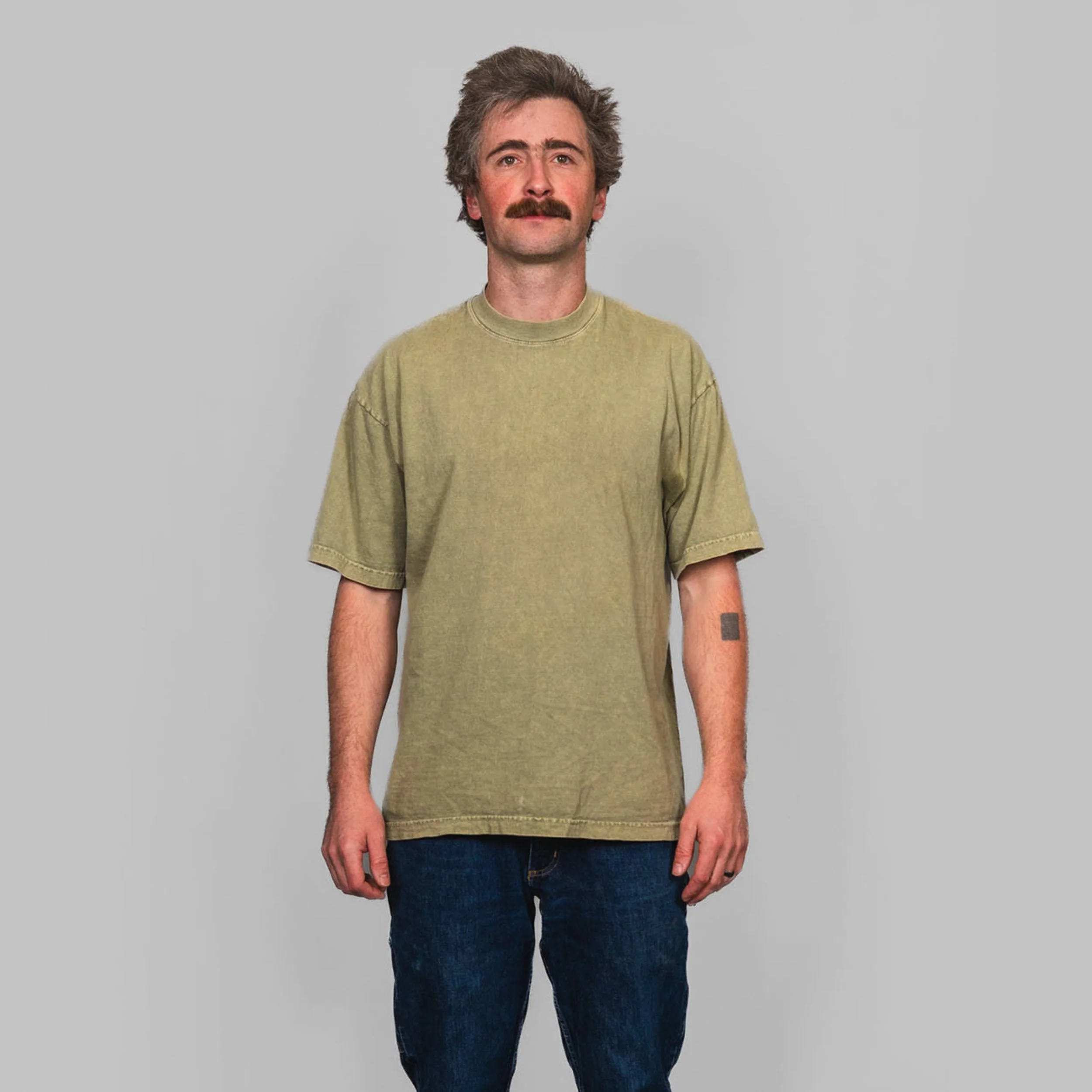
Dropped shoulders (seam sits lower on the arm)
Tubular construction (no side seams, straight body)
Straight cut (no taper through the waist)
Wider sleeves / longer sleeve openings
These expand the silhouette outward, giving a more relaxed to oversized feel.
Features that create a shorter / cropped look
Shorter body length (intentionally cropped patterns)
Higher armholes (visually lifts the body of the shirt)
Shorter sleeves (especially with wider openings)
Boxy proportions (wide + short combined)
These compress the vertical feel, making the shirt appear more cropped even if width increases.
-
Fabric type plays a major role in screen print quality because it determines how ink sits on and interacts with the surface of the garment.
Cotton (combed ring-spun): Sharp detail, strong color, best overall print surface
Cotton (open-end / carded): Slightly fuzzier edges, more ink absorption, less crisp
Polyester / synthetics: Smooth surface but prone to dye migration, requires specialty inks
Blends (poly/cotton, tri-blends): Softer prints with a muted, vintage appearance, balanced performance
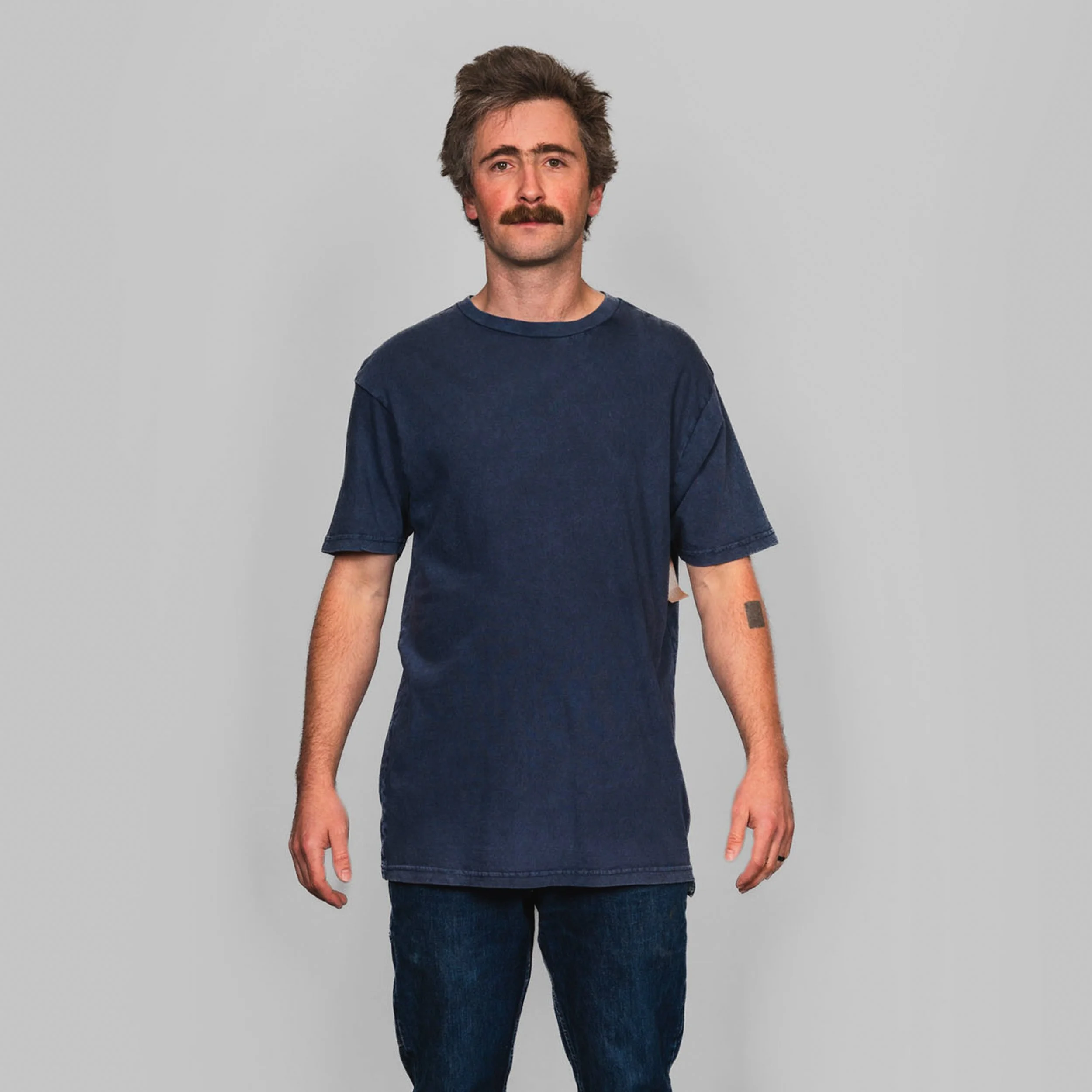
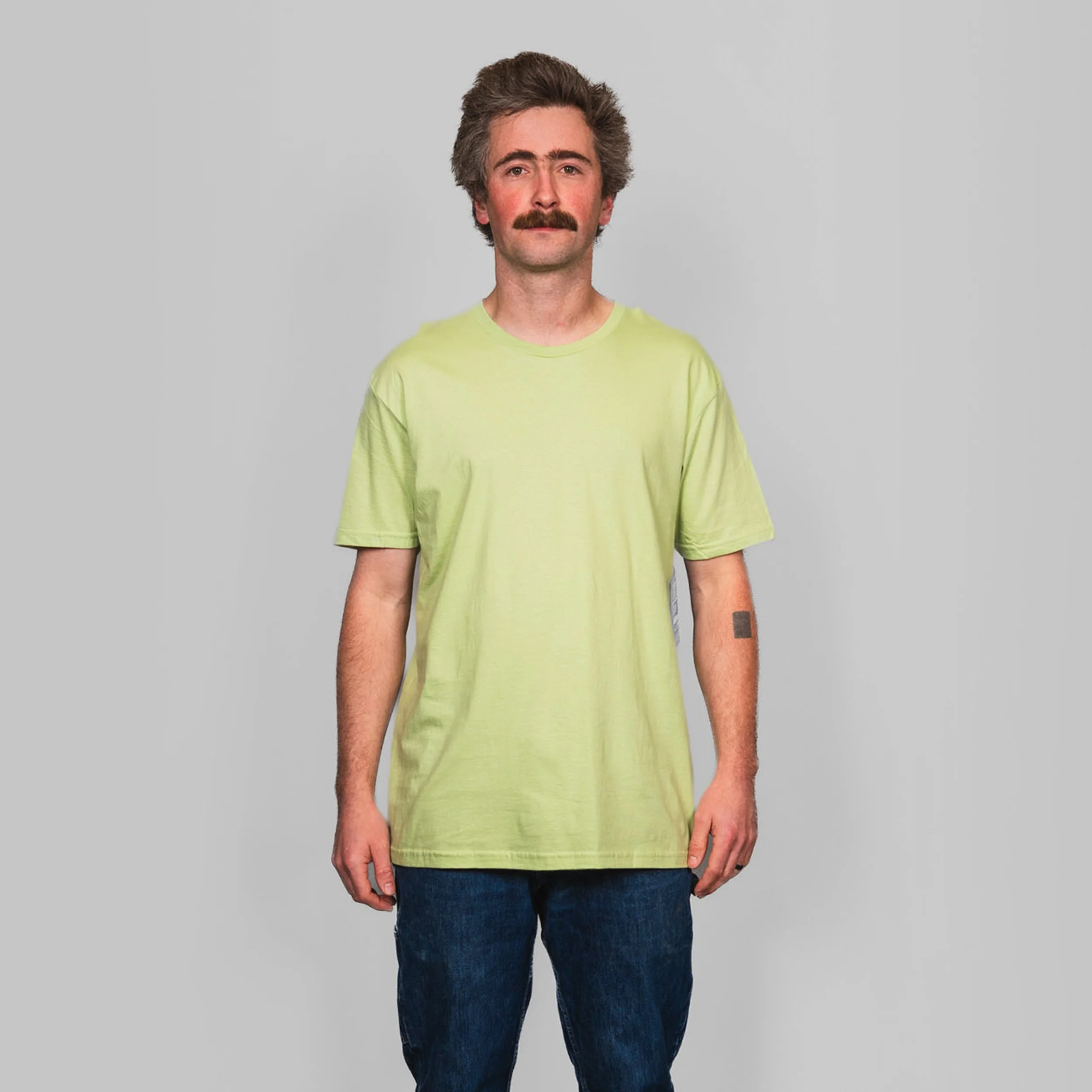
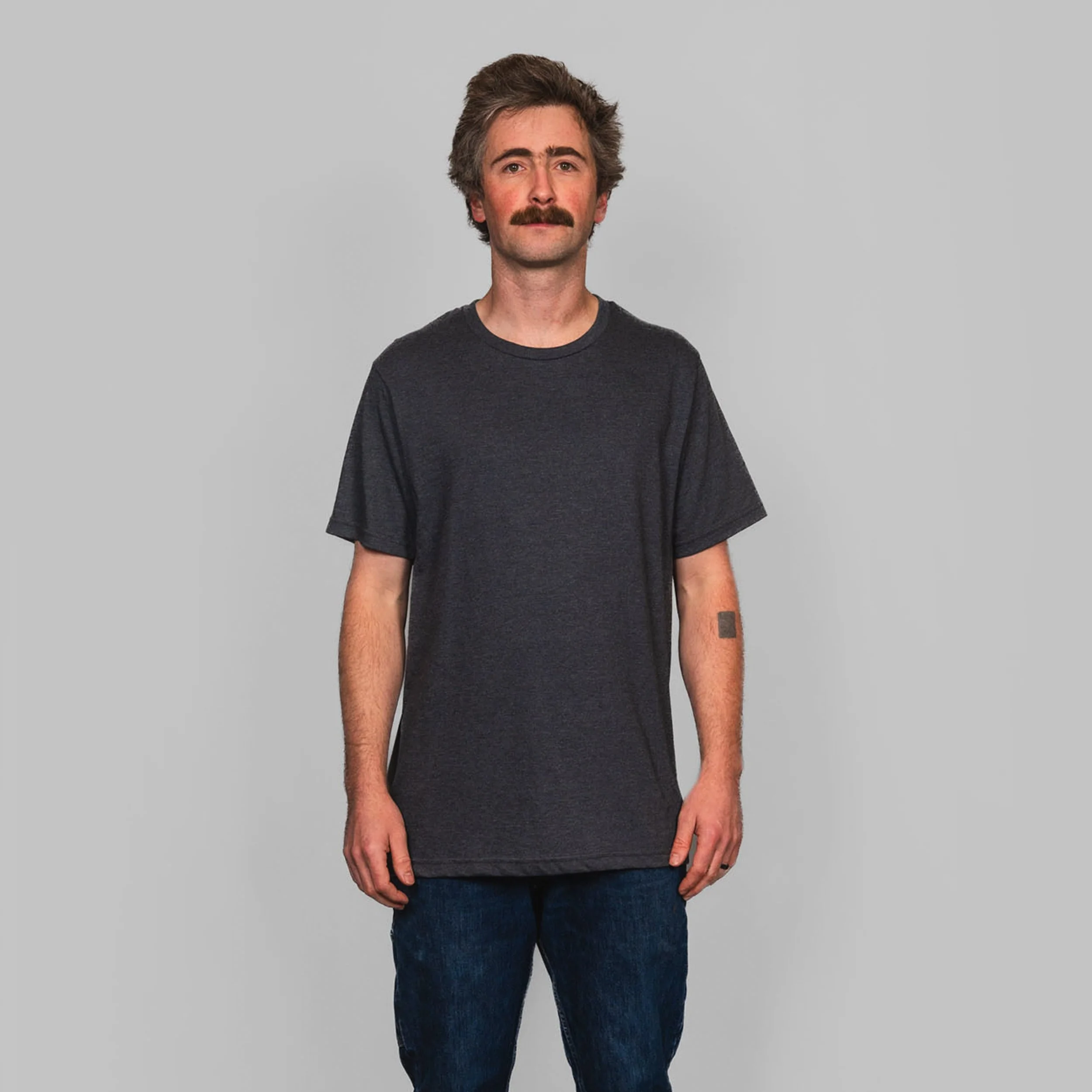
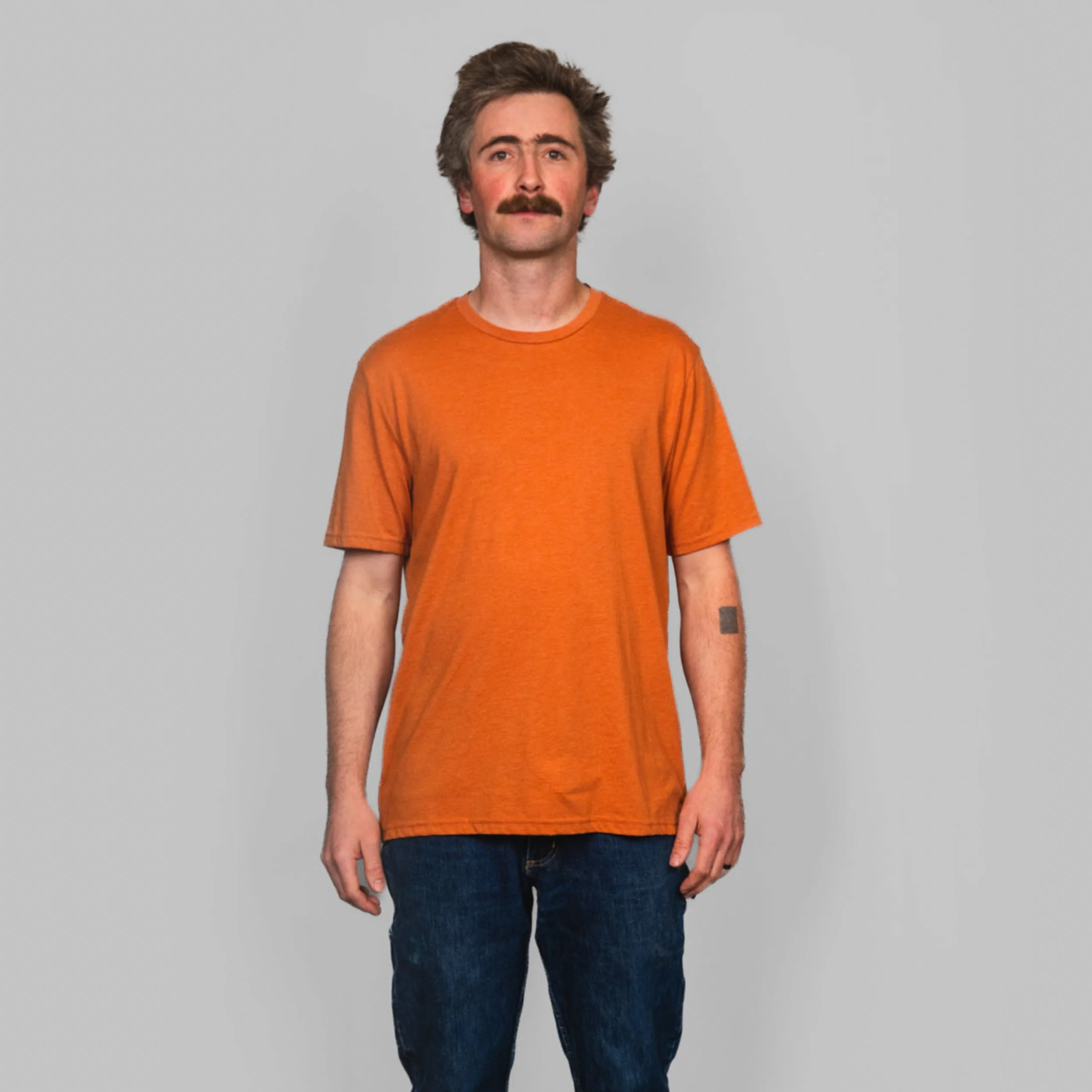
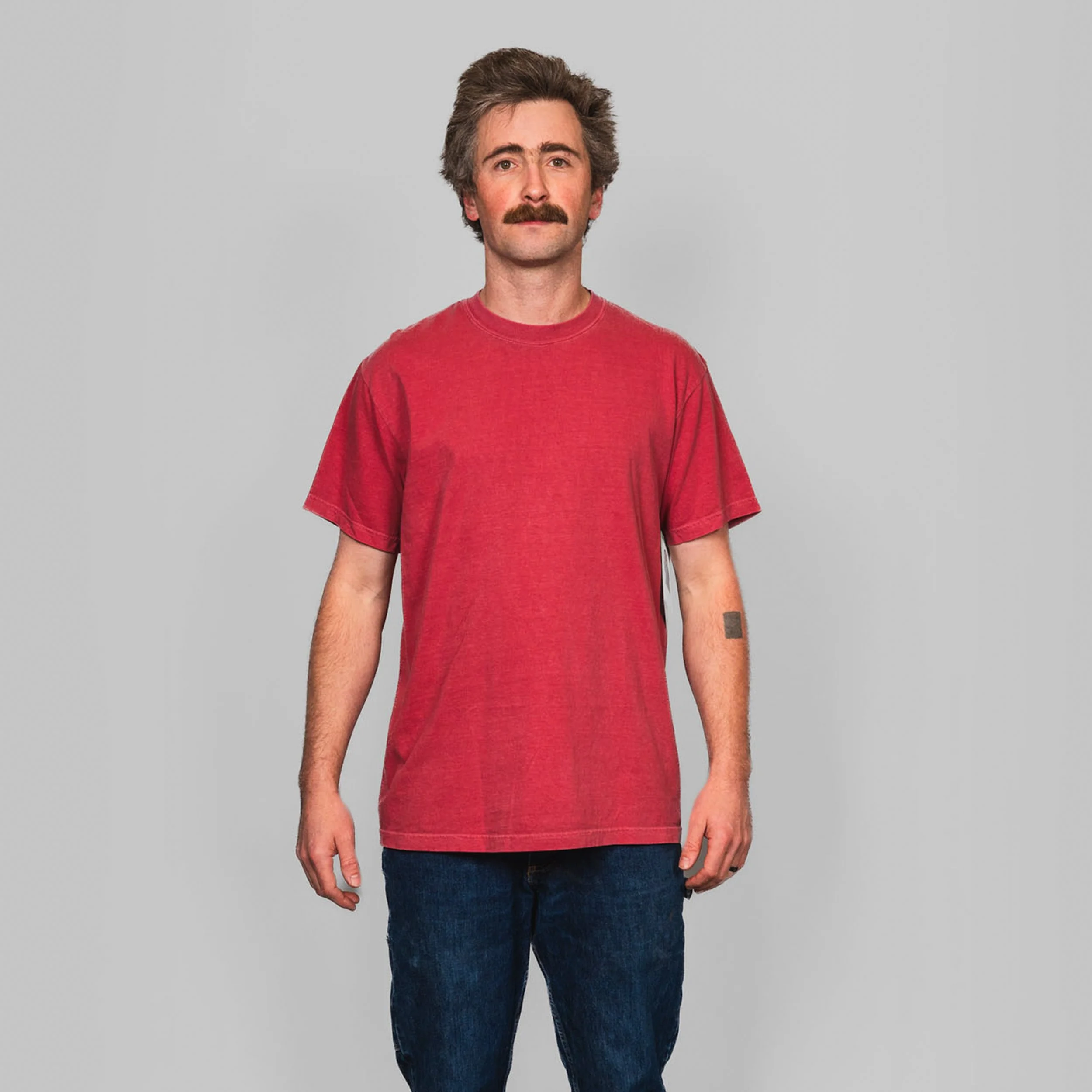
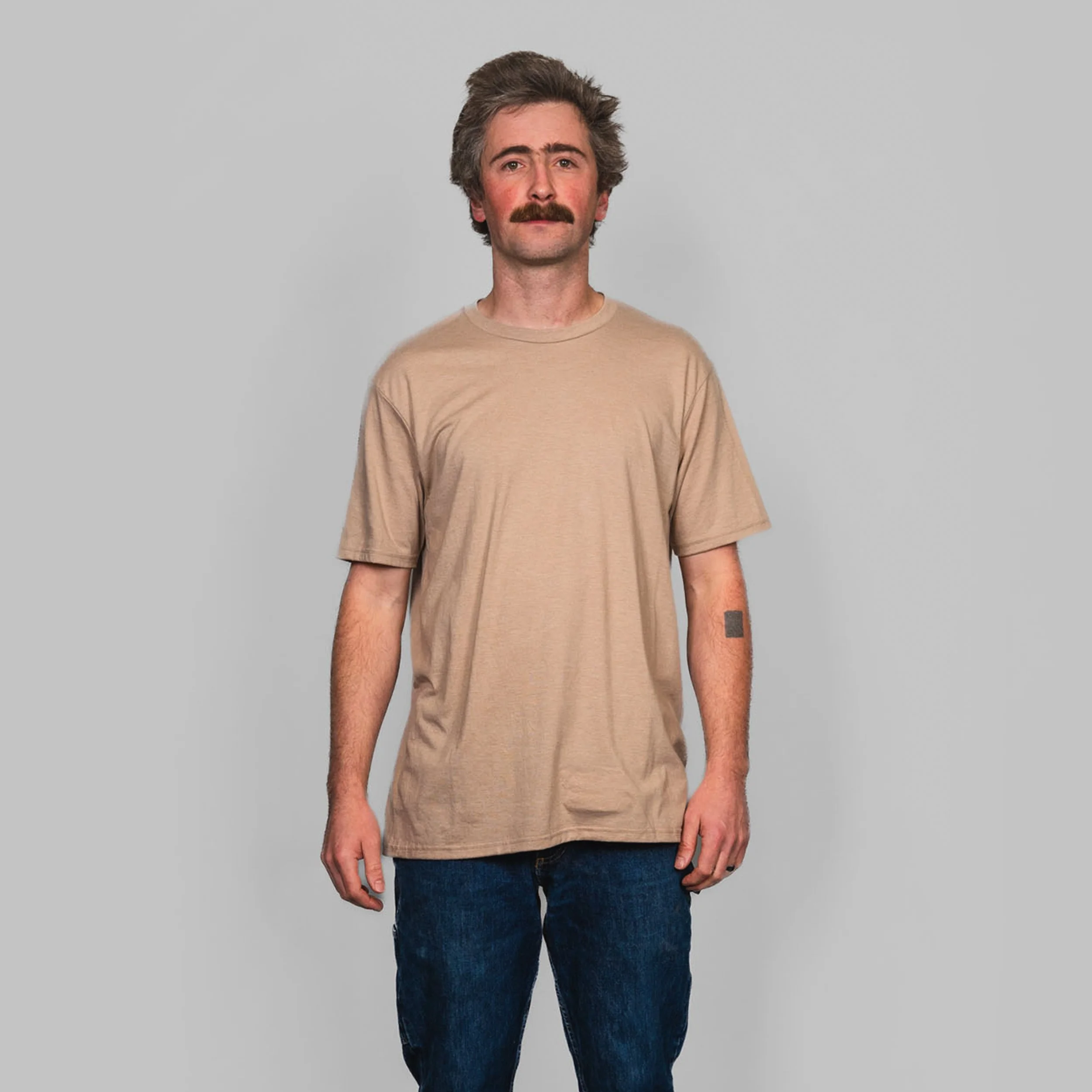
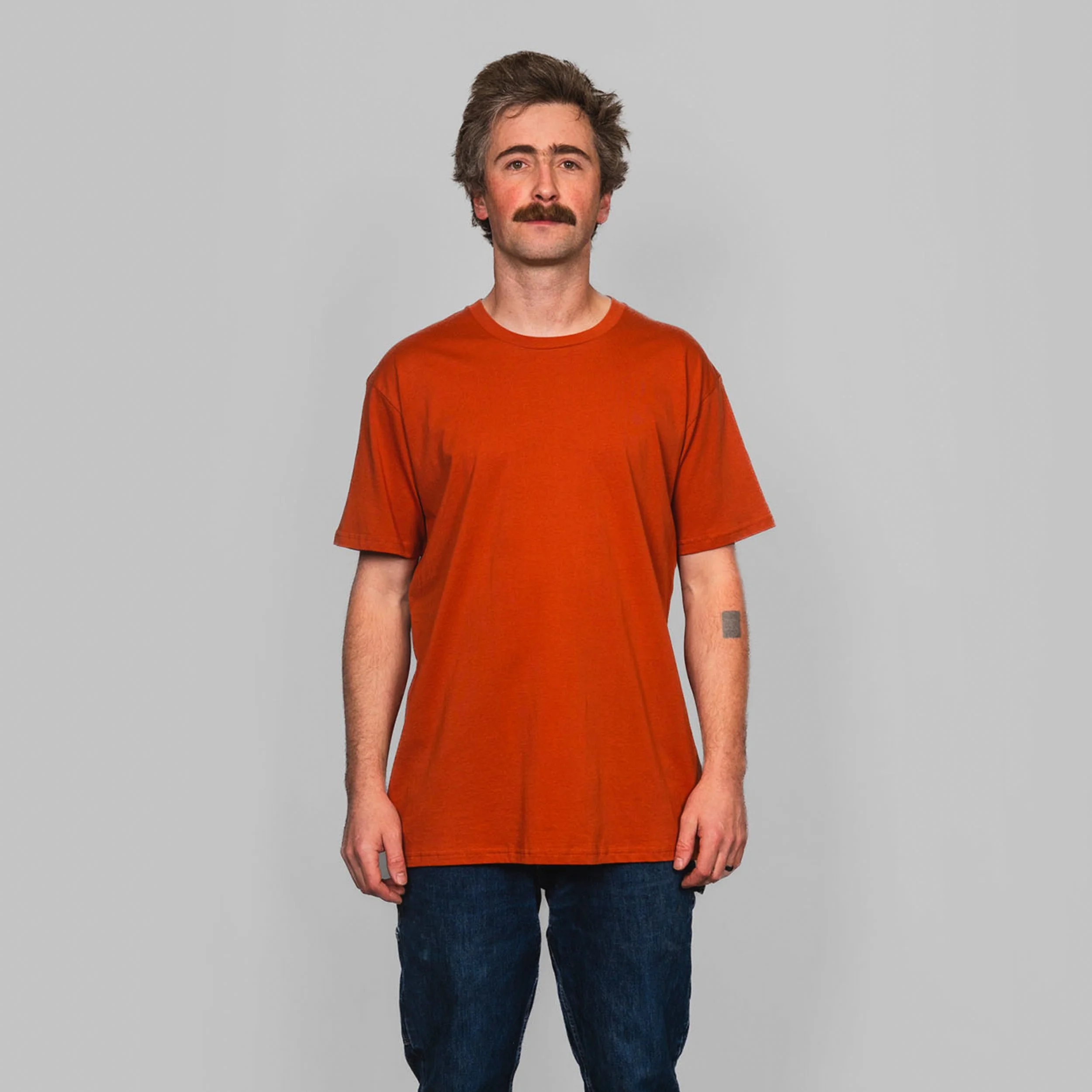
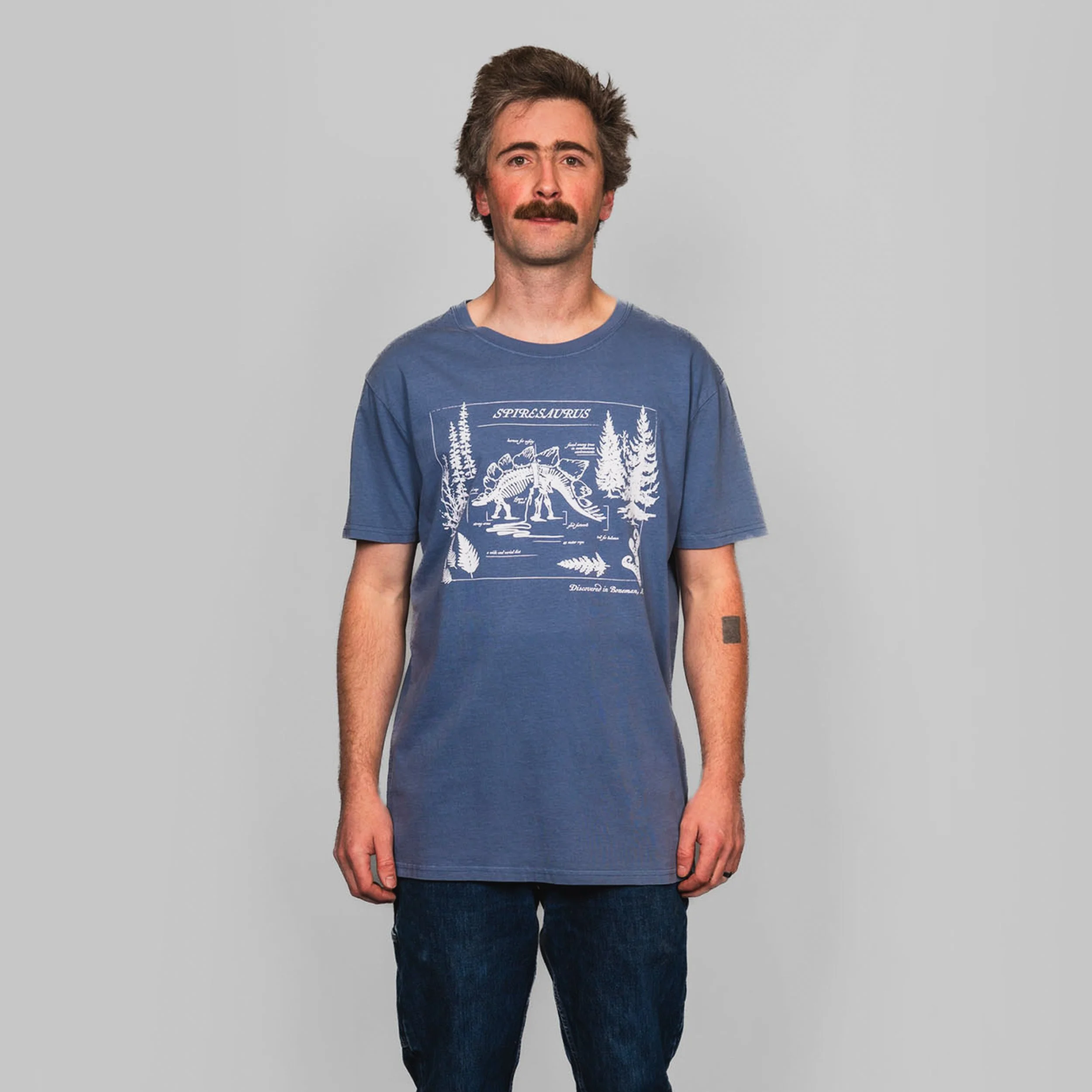
Shirt Comparison Slider : Most Slim Fit (1) → OVERSIZED/RELAX FIT (10)
-
![]()
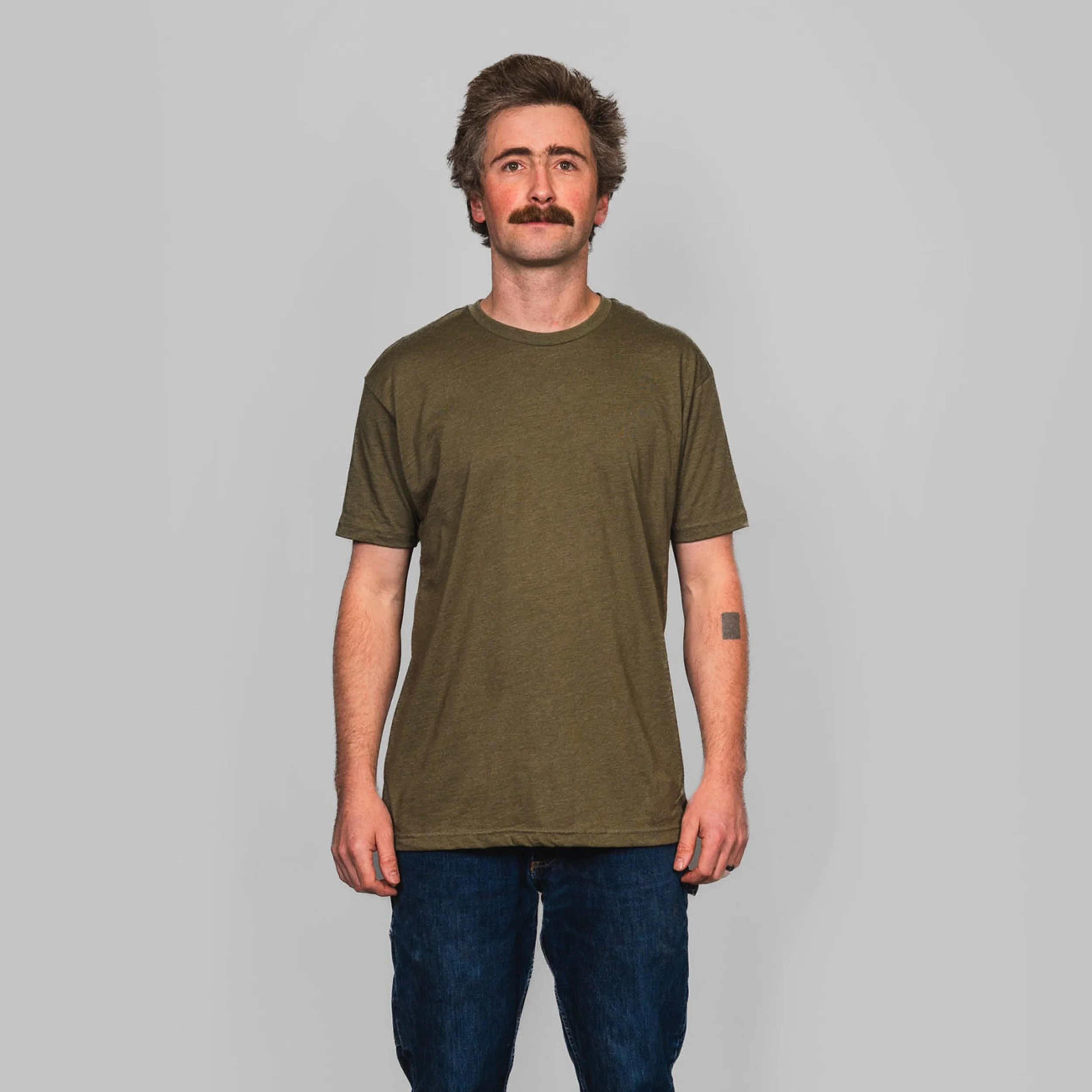
Next Level - 6210
Our Width Scale (1-10) : 3 - Slim Modern
Size L Specs: 22” W x 30” H
Weight: 4.3oz
60% Cotton / 40% Polyester, 32 Singles
-
![]()
Hanes - 5170
Our Width Scale (1-10): 3 - Slim Modern
Size L Specs: 21.25” W x 29.5” H
Weight: 5oz
50% Cotton / 50% Polyester
-
![]()
Lane Seven - LST002
Our Width Scale (1-10) : 4 - Modern Fit
Size L Specs: 22” Wide x 30” Height
Weight: 4.3oz
100% Cotton Jersey, 30 Singles
-
![]()
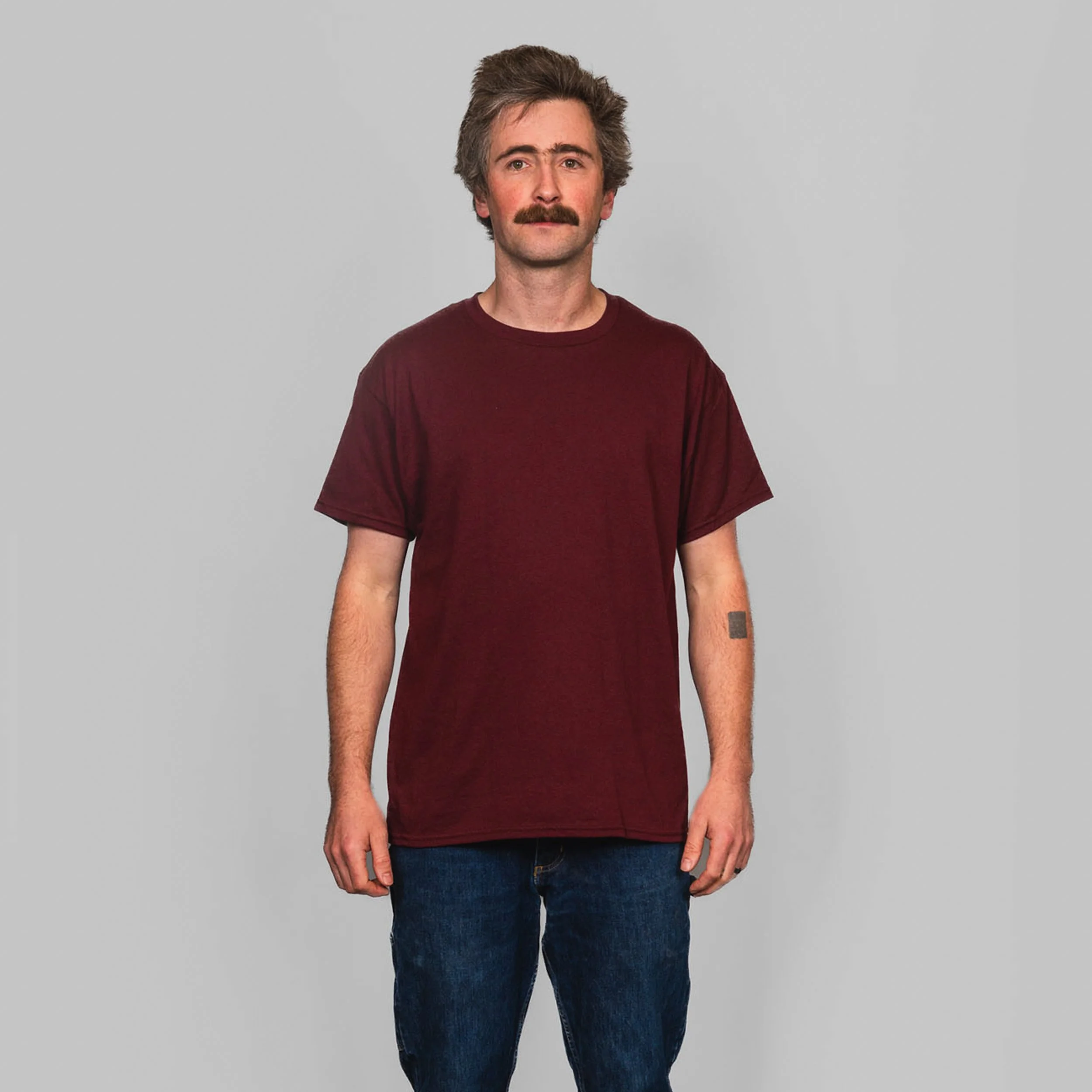
Gildan - 6400
Unisex Softstyle® T-Shirt - 64000
Our Width Scale (1-10) : 4 - Modern Fit
Size L Specs: 22” Wide x 30” Height
Weight: 4.5oz
100% Ring Spun US Cotton
- Heathers Colors: 65% Polyester /35% ring spun cotton
-
![]()
Port and Co - PC455
Fan Favorite Blend Tee. PC455
Our Width Scale (1-10): 4 - Modern Fit
Size L Specs: 22” W x 30” H
Weight: 4.5oz
60% Ring Spun Cotton / 40% Polyester
-
![]()
District - DT184
Our Width Scale (1-10) : 4 - Modern Fit
Size L Specs: 22” Wide x 30” Height
Weight: 4.4oz
60% Combed Ring Spun Cotton / 40% Recycled Polyester, 32 singles
-
![]()
Comfort Colors - 1717
Unisex Garment-Dyed Heavyweight T-Shirt - 1717
Our Width Scale (1-10) : 4 - Modern Fit
Size L Specs: 22” Wide x 29.4” Height
Weight: 6.1oz
100% ring-spun cotton, 20 singles
- Garment Dyed
-
![]()
District - DM130
Our Width Scale (1-10) : 4 - Modern Fit
Size L Specs: 22.25” Wide x 30” Height
Weight: 4.5oz
50% Polyester /25% Combed Ring Spun Cotton /25% Rayon, 32 singles
-
![]()
AS Color - 5051
Our Width Scale (1-10) : 4 - Modern Fit
Size L Specs: 22.25” Wide x 31” Height
Weight: 4.7oz
100% carded cotton, 28-singles
-
![]()
AS Colour - 5001
Our Width Scale (1-10): 4 - Modern
Size L Specs: 22.25” W x 31” H
Weight: 5.3oz
100% combed cotton, 28-singles, (heathers 15% viscose)
-
![]()
Port & Co - PC61
Our Width Scale (1-10) : 4 - Modern Fit
Size L Specs: 22” Wide x 30” Height
Weight: 6.1oz
100% Cotton, Soft Spun Cotton
-
![]()
AS Colour - 5026
Our Width Scale (1-10) : 4 - Modern Fit
Size L Specs: 22.25” Wide x 30.25” Height
Weight: 6.5oz
100% Combed Cotton, 22-singles
-
![]()
LA Apparel - 1801
6.5OZ GARMENT DYE CREW NECK T-SHIRT - 1801
Our Fit Scale (1-10): 5 - Regular/Classic
Size L Specs: 23” W x 28.75” H
Weight: 6.5
100% Shrink Free Cotton, 18/1 Open-end Cotton
- Garment Dyed
-
![]()
Gildan - 7500
Our Width Scale (1-10) : 5 - Regular/Classic
Size L Specs: 23” W x 30” H
Weight: 7oz
100% ring-spun cotton, 14 singles
-
![]()
District - DT6065
Heavyweight Very Important Tee DT6065
Our Width Scale (1-10): 6 - Roomy Regular/Classic
Size L Specs: 23.75” W x 30” H
Weight: 6.5oz
100% combed ring spun cotton
-
![]()
Lane Seven - LS16005
Urban Heavy Tee Garment Dyed LS16005GD
Our Width Scale (1-10): 7 - Boxier Classic
Size L Specs: 24.50” W x 28” H
Weight: 7.6 oz
100% Combed Cotton Jersey, 26 Doubles
-
![]()
AS Colour - 5069
Our Width Scale (1-10): 9 - Oversized
Size L Specs: 26” W x 29.5” H
Weight: 6.5 oz
100% combed cotton, 22-singles,

Build Your Collection
Build Your Collection
Get started on picking your blanks for screenprinting, embroidery, and other custom embellishment. See our favorite collections below.